

Fusion Splicing Problems
Fusion Splicing Problems are a daily reality for fiber technicians, ranging from simple dust contamination to complex arc instabilities. While the Sangken Splicing machines are designed for high-precision work, even the best equipment requires proper troubleshooting when splices fall outside of spec. Understanding how to identify and resolve these Fusion Splicing Problems will ensure your Machine will work under best condition.
Here are the most common Fusion Splicing Problems you will encounter in the field and the straightforward fixes to solve them:
1. High Splice Loss
The Problem:
The most common Fusion Splicing Problem is dust. Fiber cables are made of glass, and even a tiny speck of dust can block the light or cause the fibers to misalign. Sometimes, using the wrong fusion settings for your fiber type can also cause high loss.
The Fix: Use a special lint-free wipe and 99% isopropyl alcohol to clean the glass until it shines. Always clean the glass after you peel the plastic coating off but before you cut (cleave) it. On your machine, double-check that the fiber mode (like SM or MM) is correct and replace the electrodes if they have reached 5,000 splices.
“Following the official fiber cleaning standards is the best way to avoid signal loss.”
2. Inconsistent Splice Quality
The Problem: Another common Fusion Splicing Machine Problem is when your machine works perfectly in the morning but fails in the afternoon. This inconsistency is usually caused by dirty electrodes (the needles that make the spark), unstable power, or parts that are simply worn out.
The Fix: Clean or replace the electrodes regularly. To keep the power steady, always use a fully charged 4000mAh battery or a UPS if you are plugged into a wall on a job site with bad electricity. Keep track of how many splices you have done and change the needles before they reach 5,000 uses to stop failures before they happen.
3. Splice Arc Failure / No Arc or Misfire
The Problem: Another common Fusion Splicing Machine Problem is when the machine fails to create a spark or misfires. This usually happens because the electrodes (the needles) are dirty, the gap between them is wrong, or the machine isn’t sitting on a flat, properly grounded surface.
The Fix: Start by cleaning the electrodes to remove any “soot” or glass buildup. Check the gap between the needles to make sure it matches the manufacturer’s rules. You should also check your machine’s software (firmware) to see if it needs an update. Finally, always make sure the splicer is on a steady, flat table and has a good power connection.
4. Mechanical Protection Failures (Heat Shrink Shrink Issues)
The Problem: Another common Fusion Splicing Machine Problem occurs when the plastic protective sleeve doesn’t shrink correctly or has bubbles inside. This usually happens because the sleeve is the wrong size for your fiber or the heater (oven) settings are not adjusted to the right temperature.
The Fix: Always use the correct size of heat-shrink sleeve for your fiber diameter. On the Sangken Webpage, check your oven settings to make sure the temperature and time are correct—it usually takes about 12 seconds to melt. After heating, let the sleeve sit in the cooling tray for a few seconds to harden properly before you move it.
Cause: Incorrect heat-protection sleeve size or improper oven settings.
Fix: Use correct sleeve diameter and follow recommended shrink oven temperatures/times. Inspect sleeves for proper shrink and adhesion after heating.
5. Fiber Breaks Near the Splice / Excessive Bend Loss
The Problem: Another common Fusion Splicing Machine Problem is when the glass breaks near the join or loses signal because it is bent too tightly. This is caused by rough handling, “microbends” in the cable, or pushing the fiber into a tray that is too small.
The Fix: Treat the fiber very gently! When you put the cable into a splice tray, make sure the loops are wide and not tight. A good rule is to keep your loops at least as wide as a soda can (30mm). Use a Visual Fault Locator (VFL) to look for any red light leaking out of the cable, which shows you exactly where the bend is so you can fix it.
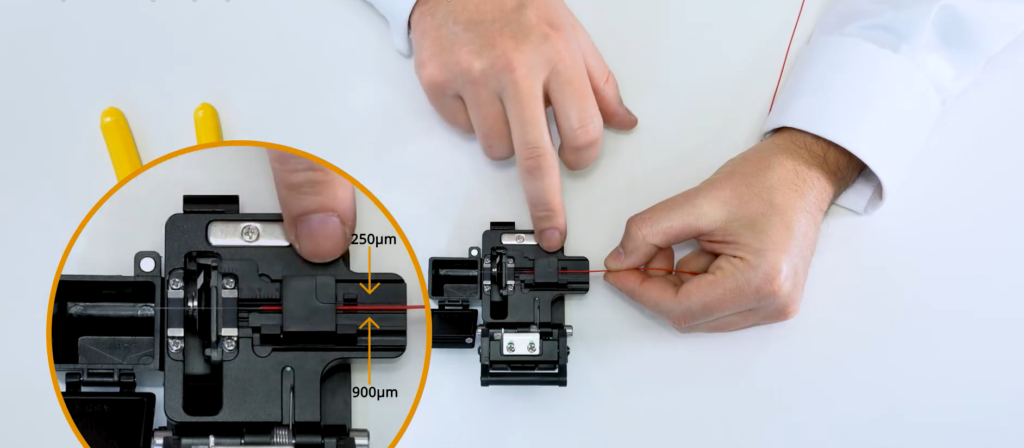
Practical Troubleshooting Workflow
- Visual inspection (cleave, contamination, fibers).
- Clean and re-cleave if needed.
- Check splicer settings and electrode condition.
- Re-splice under controlled conditions.
- Verify with OTDR and power meter. Document results.
Preventive Steps
- Keep a clean bench practice in the field.
- Track consumables and electrode hours.
- Use proper PPE and handle fibers carefully.
- Conduct periodic calibration and servicing for splicers.
Closing
Consistent, low-loss splices come from clean technique and preventive maintenance. Sangken Technologies provides on-site splicer servicing, electrode replacement, OTDR verification, and operator training to help you minimize repeat jobs.
Leave a Reply