
Fiber Tool Maintenance is the most effective way to minimize unexpected downtime, reduce expensive repair costs, and significantly extend the life of your equipment. For modern fiber optic networks—where constant uptime is business-critical—a proactive maintenance program is no longer just an option; it is an essential professional requirement. By staying ahead of wear and tear, you ensure your team stays productive and your network remains reliable.
What is Preventive Maintenance for Fiber Equipment?
Preventive Maintenance of Fiber Tool Maintenance is a proactive service strategy designed to keep your fiber optic equipment in peak operating condition. Instead of reacting to equipment failure—which often happens at the worst possible time—you perform scheduled “health checks” to identify and fix minor issues before they become expensive disasters.
PM includes scheduled checks, cleaning, calibration, consumable replacement, and performance testing for fusion splicers, OTDRs, power meters, and other field tools. It also covers scheduled inspection of field terminations, patch panels and connectors.
Key Benefits
1. Fewer Emergency Call-outs
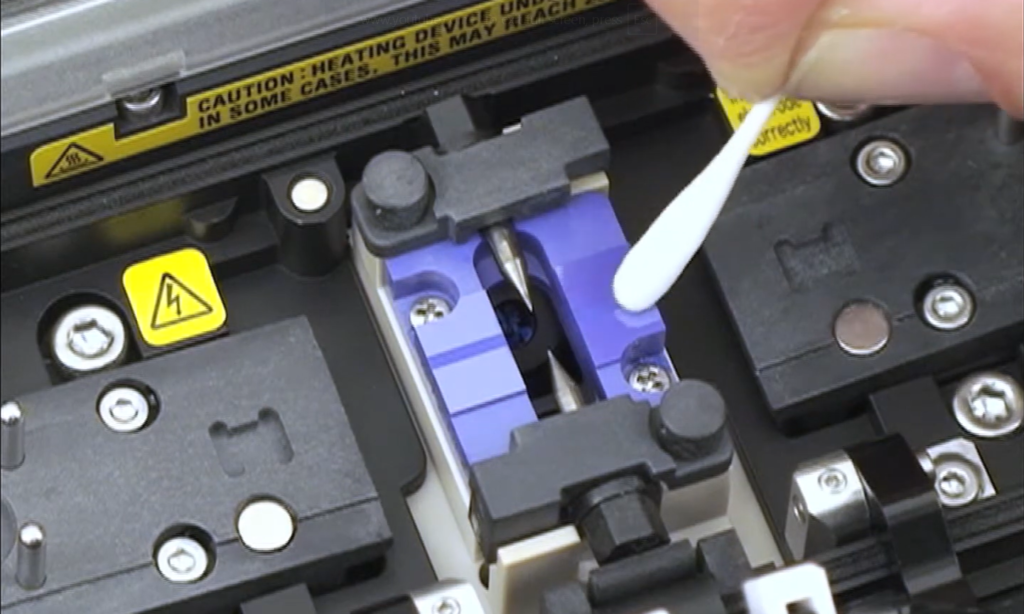
The primary goal of Fiber Tool Maintenance is to identify small issues before they turn into major network failures. By catching signs of wear, such as contaminated V-grooves or worn electrodes, you prevent the need for urgent, unplanned site visits.
- Proactive Detection: Regular inspections help you spot potential failures early, allowing you to fix them during scheduled downtime rather than in the middle of a crisis.
- Reduced Disruptions: Every emergency trip typically results in service disruptions for your customers; staying ahead of maintenance keeps your network stable.
- Cost Control: Emergency call-outs are significantly more expensive due to overtime pay and rush shipping for parts. Maintaining your gear regularly keeps these “surprise costs” at zero.
2. Lower Total Cost of Ownership (TCO)
In the long run, consistent Fiber Tool Maintenance is the most effective way to protect your budget. It is a proven financial fact that replacing small parts regularly is far cheaper than dealing with a “catastrophic failure” that destroys the entire machine.
- Minor Repairs vs. Major Overhauls: Small tasks, like cleaning V-grooves or changing electrodes, cost very little but prevent high-voltage arcs from damaging the internal motherboard.
- Preventing Total Replacement: Without a proactive maintenance program, a precision machine like the Jetfiber Fusion Splicer H5+ can wear out years before its time. Regular servicing ensures you get the maximum years of use out of every tool you buy.
- Saving on Consumables: When you manage your consumables (like cleaver blades) correctly, you avoid the “domino effect” where a dull blade leads to a bad cleave, which then damages the splicer’s alignment system.
- Predictable Budgeting: Maintenance allows you to plan your spending. It is much easier for a company to budget for a quarterly check-up than to suddenly find millions of Rupees for a replacement machine during a peak work season.
3. Better Network Reliability & SLA Compliance
A high-quality network is built on trust and consistent performance. Regular Fiber Tool Maintenance ensures that your splicing and testing results always stay within the required technical thresholds. This is vital for ISPs and contractors who must prove their work meets strict client standards.
- Meeting Your Promises: Preventive maintenance keeps your tools accurate, helping you meet your Service Level Agreements (SLAs) without fail.
- Accurate Testing: Tools that are calibrated correctly ensure that your OTDR traces and power loss readings are true, preventing disputes with clients over link quality.
- Building Customer Trust: When your network stays up and your repairs are fast, customers trust your brand more, leading to long-term contracts and referrals.
- Threshold Management: PM ensures that every splice and connection is within the “Pass” zone, reducing the need for expensive re-testing or troubleshooting later.
4. Consistent Splice Quality
The ultimate goal of any technician is a perfect, low-loss connection. Fiber Tool Maintenance ensures that your machine performs at its best on every single cycle. When your electrodes are clean and your cameras are aligned, the JetFiber Machine can deliver the ultra-low loss results it was designed for.
- Precision Alignment: Regular cleaning of the V-grooves and lenses allows the core-alignment cameras to see the fiber clearly, resulting in perfect positioning every time.
- Optimal Arc Strength: Clean electrodes and regular arc calibration ensure the electric spark is the correct temperature to melt the glass without damaging it.
- Fewer Reworks: High-quality splices mean you don’t have to break and re-splice connections, saving you hours of labor and expensive materials.
- Reduced Complaints: When your splices are consistent and strong, the signal stays stable, leading to fewer service calls and happier end-users.
Practical PM Tasks & Frequency
- Daily / Before-Use: Clean fiber endfaces, inspect cleaver, ensure splicer battery charged.
- Monthly: Inspect electrodes and cleaver wheel, clean V-grooves, check power meter calibration.
- Quarterly: Run splicer self-tests, OTDR verification, update splicer firmware, replace electrodes if near end-of-life.
- Annually: Full calibration, comprehensive OTDR trace baseline for each asset, review consumable stock and order replacement.
Checklist for Field Teams
- Clean and inspect before every splice.
- Log electrode hours and cleaver counts.
- Keep updated OTDR traces for each link and review for trends.
- Store tools in protective cases and controlled environments.
AMC (Annual Maintenance Contract): Benefits
An AMC transfers PM responsibilities to a service provider, guaranteeing scheduled maintenance, priority support, parts replacement, and discounted emergency call-outs. For organizations with many field tools, an AMC improves predictability and reduces administrative overhead.
Selecting a PM Provider
Choose a provider with:
- documented checklists and service reports;
- quick turnaround for repairs and spare parts;
- technician training offerings and post-service verification (OTDR/power readings).
Leave a Reply